Source wireless bluetooth ear cleaner otoscope for clinics, homes, and schools
Compare 30 wireless bluetooth ear cleaner otoscope options from verified Chinese manufacturers. These devices support ear examination and cleaning with features like LED lighting and image transmission for medical and home use.
Key considerations
Products List


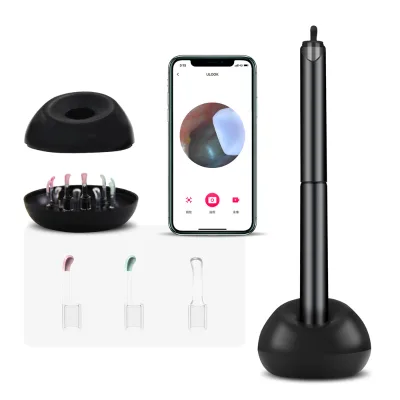


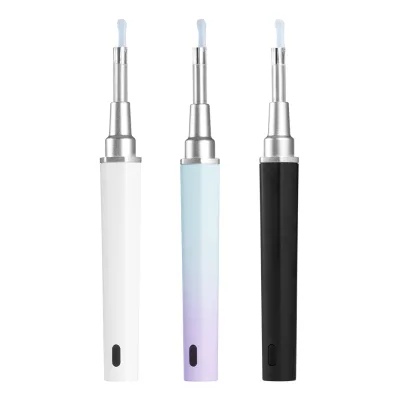


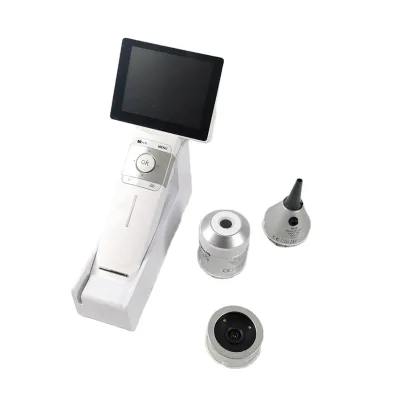
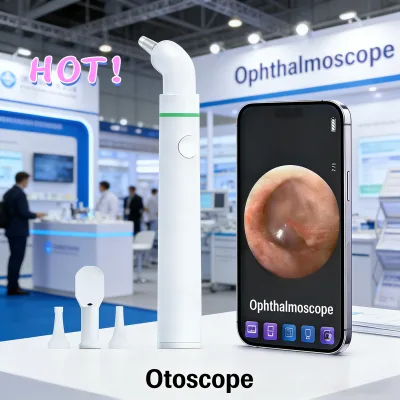
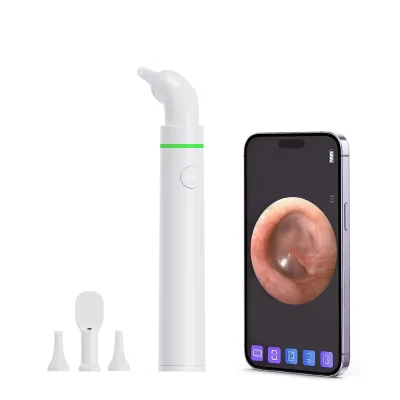


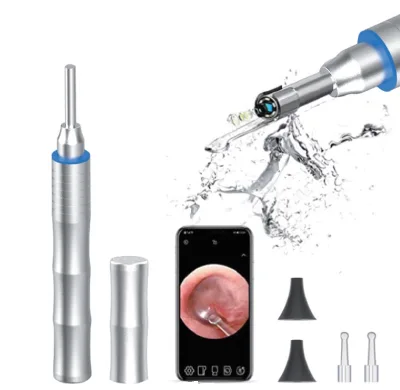

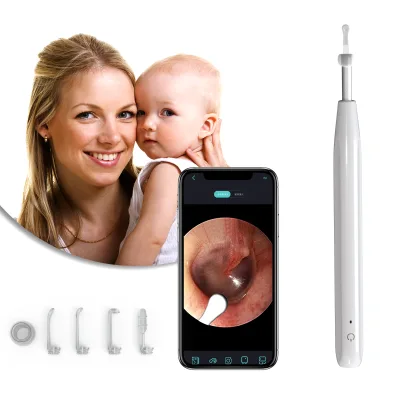
Comprehensive Sourcing Guide
Strategic Sourcing Guide for Wireless Bluetooth Ear Cleaner Otoscopes
The global demand for advanced diagnostic and cleaning tools for infants and young children has driven significant innovation in the medical device sector, specifically within the realm of wireless otoscopes. For procurement professionals in the B2B space, sourcing a "wireless bluetooth ear cleaner otoscope" requires a nuanced understanding of the intersection between diagnostic imaging, wireless connectivity, and safety standards. This guide synthesizes available product attributes and industry knowledge to provide a structured approach for evaluating suppliers, verifying technical specifications, and ensuring regulatory compliance without relying on unverified market claims.
Technical Architecture and Connectivity Specifications
When evaluating wireless otoscopes, the core differentiator lies in the integration of imaging sensors with wireless transmission protocols. The market offers devices that range from simple wired otoscopes to sophisticated handheld units capable of real-time video streaming. Based on observed product data, a high-performance unit typically features a camera sensor with a resolution of 5 million pixels, ensuring that medical personnel can visualize ear canal structures with sufficient clarity for diagnosis. The image transmission rate is a critical metric for real-time applications; observed specifications indicate a capability of 30 frames per second (fps), which is essential for maintaining fluid motion without lag during examination.
Connectivity is the defining feature of the "wireless" aspect of the product. The underlying network standard often adheres to IEEE 802.11 b/g/n protocols, operating at a working frequency of 2.4 GHz. This frequency band is standard for consumer and medical-grade wireless devices, offering a balance between range and data throughput. To facilitate this connection, the device usually incorporates an internal Wi-Fi antenna and a gravity sensor with 3-axis capabilities, allowing the device to orient itself correctly regardless of how the user holds it. The input current for these units is typically specified as DC 5V at 300mA, indicating a low-power design suitable for portable operation.
Power management is another critical technical component. While some models utilize standard AA batteries, others integrate a 250mAh Lithium battery for a more compact, rechargeable form factor. The operating temperature range for these devices is generally robust, with observed specifications citing a working temperature of -10°C to 50°C and a storage temperature range extending from -40°C to 70°C. This wide thermal tolerance ensures reliability in various clinical environments, from air-conditioned clinics to field operations. The physical construction often utilizes a combination of materials including Copper (Cu), ABS plastic, PMMA, and PA6, providing a balance of durability, electrical conductivity, and lightweight handling. The device is typically classified as a handheld unit, with a single package size around 20x15x11 cm and a gross weight of approximately 0.500 kg.
Regulatory Compliance and Certification Verification
Navigating the regulatory landscape is paramount when sourcing medical devices. The classification of these products varies; some are categorized under "Imaging Diagnostic Equipment," while others fall under "Physiological Functions of Diagnosis and Monitoring Equipment." This distinction influences the specific regulatory pathway required for market entry. Buyers must rigorously verify that suppliers possess valid certifications rather than relying on marketing assertions.
Observed product data highlights several key certifications that serve as indicators of compliance. These include ISO standards, FDA approval, MSDS (Material Safety Data Sheet) compliance, EEC (European Economic Community) directives, and CE marking. The presence of an ISO classification alongside specific certification marks suggests a commitment to quality management systems. However, buyers should note that certification status is product-specific and not guaranteed across all listings. It is essential to request current, valid certificates for the specific model number being procured, such as APY-0721, YF, or BR-018, as regulatory approvals are often tied to specific manufacturing batches and design iterations.
Furthermore, the "Cleaning Supplies" attribute found in some product listings suggests a dual-use nature or a specific accessory component. Buyers must clarify whether the device is intended solely for diagnosis or if it includes active cleaning mechanisms, as this distinction can alter the regulatory classification from a diagnostic tool to a therapeutic device, requiring different compliance documentation. The origin of the product, often listed as Guangdong or Jiangsu, China, does not inherently dictate quality but requires verification of the manufacturer's local regulatory standing and export capabilities.
Cost Drivers and Pricing Dynamics
The price range for wireless otoscopes is extensive, observed between $1.43 and $1,652.15 USD. This wide variance is driven by several factors, including the complexity of the imaging sensor, the quality of the wireless transmission module, the battery capacity, and the level of certification held by the manufacturer. Lower-priced units may lack advanced features such as high-resolution sensors or robust wireless protocols, while higher-priced models often include comprehensive diagnostic software, higher magnification capabilities (e.g., 3X), and full regulatory clearance for professional medical use.
Minimum Order Quantity (MOQ) is another significant cost driver, with observed ranges spanning from 1 to 1000 units. Buyers seeking to test the market or equip a single clinic may find suppliers with an MOQ of 1, though the unit price will likely be higher. Conversely, bulk procurement for hospital chains or large distributors can leverage lower unit costs by meeting higher MOQ thresholds. The packaging standard, often cited as 20 sets per carton or 1 piece per box, also impacts logistics costs. Customized packaging options are available, which can increase the unit cost but offer branding opportunities for distributors.
Typical Applications and User Demographics
The primary application for these devices is ear examination, specifically targeting the ear canal. The product is explicitly categorized under "Infants and Young Children," indicating a design focus on safety and ease of use for pediatric patients. The target area is the ear, and the device often includes features like sunlight or white LED lighting to illuminate the canal without causing discomfort. The magnification capabilities, typically around 3X, allow for detailed visualization of the tympanic membrane and ear canal walls.
Beyond simple diagnosis, the "wireless" and "cleaner" aspects suggest applications in pediatric care where non-invasive examination is preferred. The ability to transmit images in real-time allows parents to view the examination on a connected device, improving communication and trust. The "Cleaning Supplies" attribute may imply that the device is part of a broader kit for ear hygiene, although buyers must verify if the device itself performs cleaning or if it is merely used in conjunction with cleaning tools. The working temperature and material composition ensure that the device is safe for repeated use on sensitive skin.
Supplier Evaluation and Quality Assurance
Evaluating suppliers requires a multi-faceted approach that goes beyond the provided product listing. Buyers should prioritize suppliers who demonstrate transparency in their manufacturing process and provide clear documentation for their certifications. The "OEM: Support" attribute indicates that many manufacturers are willing to customize branding and packaging, which is a positive sign of a flexible supply chain. However, customization capabilities should be verified to ensure they do not compromise the device's safety or regulatory status.
Quality control measures should be a central part of the supplier evaluation. Buyers should request information on the testing protocols used for the wireless transmission stability, battery life, and sensor accuracy. The use of materials like Cu, ABS, and PMMA suggests a focus on durability, but the specific quality grade of these materials should be confirmed. The "Single gross weight" and "Single package size" data points can be used to verify that the supplier's logistics claims match the physical reality of the product.
Long-Term Procurement Considerations
Sourcing wireless otoscopes involves long-term considerations regarding maintenance, software updates, and supply chain continuity. The reliance on wireless technology means that the device's performance may degrade if the firmware is not updated or if the battery life diminishes over time. Buyers should inquire about the availability of replacement parts, such as batteries or camera lenses, and the manufacturer's policy on software support.
The "Customization: Available" feature allows for long-term branding strategies, but buyers must ensure that any customizations do not interfere with the device's regulatory compliance. Additionally, the "Standard: 20 sets/ctn" or "one" packing standard should be evaluated for its impact on inventory management. For large-scale procurement, the ability to source 1000 units with consistent quality is crucial. Buyers should also consider the lead time and the geographic location of the supplier, as products originating from Jiangsu or Guangdong, China, may have different shipping timelines compared to other regions.
Comparative Analysis of Product Attributes
To facilitate decision-making, the following table summarizes key attributes observed in the market, highlighting the variability in specifications that buyers must navigate.
| Attribute Category | Observed Specification A | Observed Specification B | Observation C |
|---|---|---|---|
| Product Model | APY-0721 | YF | BR-018 |
| Classification | Imaging Diagnostic Equipment | Physiological Functions of Diagnosis | Cleaning Supplies |
| Certification | ISOCE | FDA, ISOMSDS, EEC, CE | ISO Classification |
| Camera Resolution | 5 million pixels | N/A | N/A |
| Transmission Rate | 30 fps | N/A | N/A |
| Battery Type | 250mAh Lithium | 2*AA Batteries | N/A |
| Material | Cu, ABS, PMMA, PA6 | Cu, ABS, PMMA | N/A |
| Color Options | Black, Silver | Black, Green | N/A |
| Origin | China (Guangdong/Jiangsu) | China | N/A |
| MOQ Range | 1 - 1000 | 1 - 1000 | N/A |
This comparison underscores the importance of specifying exact requirements during the procurement process. A buyer seeking a high-resolution, rechargeable device with FDA approval must distinguish between models that offer AA batteries and those with integrated Lithium cells. Similarly, the distinction between "Imaging Diagnostic Equipment" and "Cleaning Supplies" dictates the regulatory pathway and intended use.
In conclusion, sourcing a wireless Bluetooth ear cleaner otoscope requires a meticulous review of technical specifications, regulatory compliance, and supplier capabilities. By focusing on verified data points such as pixel count, transmission standards, and certification marks, buyers can mitigate risk and ensure the acquisition of high-quality medical devices suitable for the specific needs of infants and young children. The wide range of available options necessitates a tailored approach, where the specific requirements of the end-user drive the selection of the most appropriate model and supplier.
FAQs
What certifications do wireless bluetooth ear cleaner otoscopes typically have?
These devices often carry ISO, FDA, CE, and EEC certifications depending on the model. Buyers must verify specific certificates for models like APY-0721 or BR-018, as regulatory approval is tied to individual manufacturing batches and design iterations rather than being universal across all listings.
How is the camera resolution and transmission rate specified for these units?
High-performance units feature a 5 million pixel camera sensor with a 30 fps image transmission rate. This ensures clear visualization of ear canal structures and fluid motion without lag during real-time examinations, utilizing IEEE 802.11 b/g/n protocols for connectivity.
Which battery types are used in wireless bluetooth ear cleaner otoscopes?
Models vary between using standard 2*AA batteries or integrated 250mAh Lithium batteries for rechargeable operation. The choice affects portability and power management, with some units requiring DC 5V 300mA input current for stable performance in clinical environments.
Can suppliers customize packaging and branding for these medical devices?
Yes, customization is available for packaging and branding, often supporting OEM requirements. Buyers should confirm that customizations do not compromise the device's regulatory status, noting that standard packing often ranges from 1 piece per box to 20 sets per carton.
What is the typical price range and MOQ for these devices?
The observed price range spans from 1.43 to 1652.15 USD with MOQs ranging from 1 to 1000 units. Lower prices may lack advanced features like high-resolution sensors, while bulk procurement allows for lower unit costs and customized packaging options.
How do these devices classify under medical equipment standards?
Products are classified as either Imaging Diagnostic Equipment or Physiological Functions of Diagnosis and Monitoring Equipment. This distinction influences the regulatory pathway required for market entry and determines whether the device is intended solely for diagnosis or includes active cleaning mechanisms.